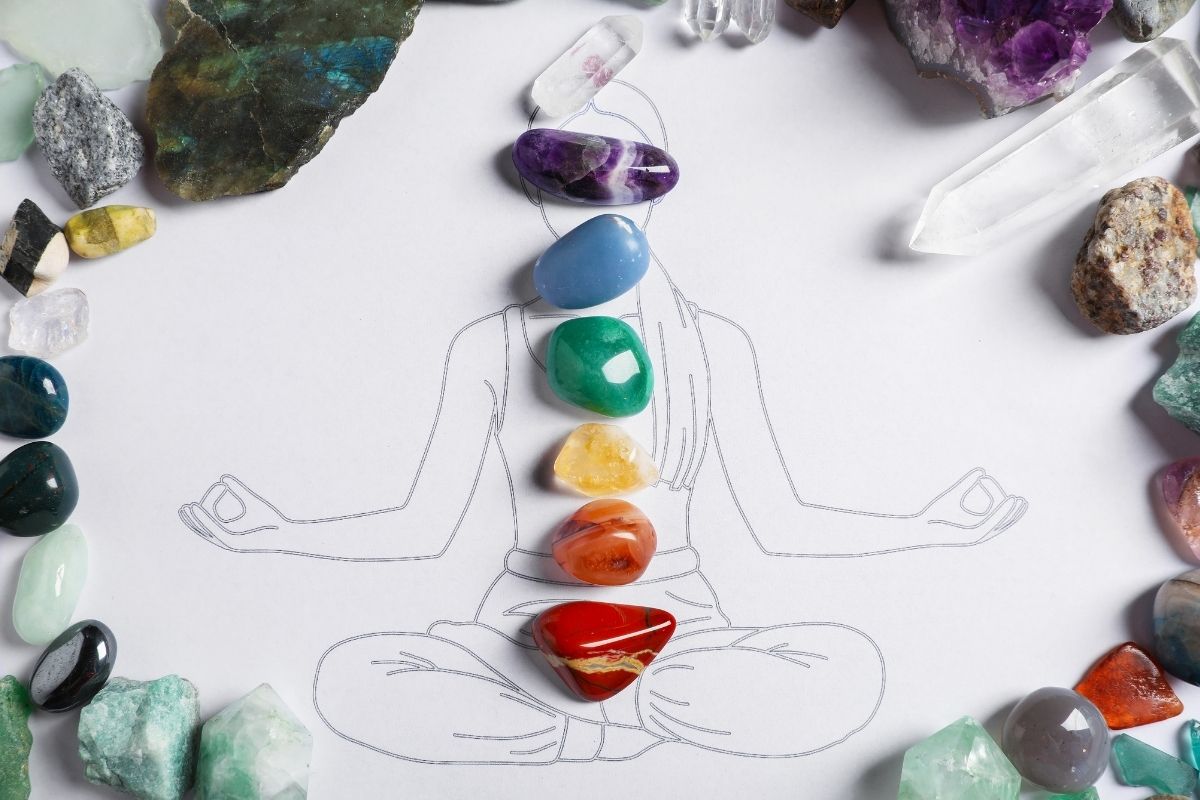
Chakra Alignment: Using Meditation, Sound and Frequencies to Reconnect
Chakra alignment is a way of bringing attention back to the different areas of your inner world, from feeling grounded and secure to expressing yourself clearly and connecting with your intuition.
There is no single right way to practise it. You might sit quietly, lie down with a guided meditation, take a mindful walk through nature or spend five minutes in the garden with the sun on your face. You can work in silence, repeat a mantra or number sequence out loud, or use music and frequencies to create a more immersive experience.
Meditation is less about how it looks and more about how it feels. It gives you space to pause, pay attention and reconnect with yourself.
Chakra meditation adds an intention to that space. By focusing on one of the seven main chakras, its location, colour and associated frequency, you can shape your meditation around the energy or quality you want to explore.
What Is Chakra Alignment?
Chakras are understood in a number of yoga and spiritual traditions as centres of energy or awareness within the subtle body. The seven main chakras begin at the base of the spine and move upwards to the crown of the head.
Each chakra is associated with a different part of our experience, including grounding, creativity, confidence, love, expression, intuition and spiritual connection.
Chakra alignment does not mean forcing yourself to feel perfectly balanced. It is simply a chance to notice where your attention is being drawn and create time for a particular intention.
Some days you may feel the need to ground yourself through the Root chakra. On another day, you may want to focus on compassion through the Heart chakra or clarity through the Throat chakra. The practice can change with you.
Chakra Meditation Does Not Have to Look One Way
You do not have to sit cross legged in complete silence. Choose a position and setting that allow you to feel comfortable and present.
You can sit on a chair, lie down, move gently through yoga or take your practice outdoors. During a mindful walk, notice your feet meeting the ground, the temperature of the air against your skin, the birds and the wind moving through the trees.
You might sit in the garden, beside a window, by a river, near the ocean or anywhere that feels peaceful. Nature sounds such as rainfall, birdsong and waves can become part of the meditation, either around you or through your headphones.
If silence feels distracting, use sound. If sitting upright feels uncomfortable, lie down. If twenty minutes feels like too much, begin with five. The most useful practice is one you can return to.
The Seven Chakra Frequencies
Modern frequency meditation often pairs each of the seven main chakras with a Solfeggio frequency. These tones can be used as a point of focus alongside breathing, colour visualisation and intention.
396 Hz: Root Chakra
The Root chakra, or Muladhara, is located at the base of the spine. It is associated with grounding, stability, security and belonging.
Choose 396 Hz when you feel scattered or unsettled. Sit with both feet on the floor or lie down and notice where your body meets the surface beneath you. Imagine roots extending into the earth as you breathe slowly.
Intention: “I am grounded, safe and present.”
417 Hz: Sacral Chakra
The Sacral chakra, or Svadhisthana, is located below the navel. It is associated with creativity, emotion, pleasure and the ability to move with change.
Choose 417 Hz when you feel creatively blocked or ready for a fresh start. Bring your attention to the lower abdomen and imagine a warm orange light moving gently like water.
Intention: “I allow creativity and change to flow through me.”
528 Hz: Solar Plexus Chakra
The Solar Plexus chakra, or Manipura, is located around the upper abdomen. It is associated with confidence, purpose, motivation and personal power.
Often called the miracle or love frequency, 528 Hz can be used as a focus for positive change and intention. Imagine a golden light around your upper abdomen growing brighter with each inhale.
Intention: “I trust myself and my ability to move forward."
639 Hz: Heart Chakra
The Heart chakra, or Anahata, is located in the centre of the chest. It is associated with love, compassion, forgiveness and connection with yourself and others.
Choose 639 Hz when you want to practise self compassion or bring more warmth into a relationship. Place a hand over your heart and imagine a soft green light expanding with each breath.
Intention: “I am open to giving and receiving love.”
741 Hz: Throat Chakra
The Throat chakra, or Vishuddha, is located around the throat. It is associated with honest expression, communication and speaking your truth.
Choose 741 Hz when you are preparing for an important conversation or finding it difficult to express yourself. Relax your throat and jaw, then hum gently if that feels comfortable.
Intention: “I express myself with clarity and kindness.”
852 Hz: Third Eye Chakra
The Third Eye chakra, or Ajna, is located between the eyebrows. It is associated with intuition, imagination, insight and inner awareness.
Choose 852 Hz when you need perspective or want to reflect before making a decision. Rest your attention between your eyebrows and allow your thoughts to settle without chasing them.
Intention: “I listen to my inner wisdom.”
963 Hz: Crown Chakra
The Crown chakra, or Sahasrara, is located at or just above the top of the head. It is associated with spiritual connection, expanded awareness and a sense of being part of something greater.
Choose 963 Hz for a spacious and contemplative practice. Imagine a soft violet or white light above your head and allow yourself to sit quietly without searching for a particular experience.
Intention: “I am connected to the life around me.”
How Sound Can Support Chakra Alignment
Sound therapy uses tone, rhythm and vibration to create a calming and immersive space. It can help settle a busy mind, soften outside distractions, deepen relaxation and give your attention a clear point of focus.
Different sounds can support different intentions. Nature sounds may help you feel grounded, singing bowls bring attention to vibration, Solfeggio frequencies can accompany chakra and intention work, and binaural beats are often chosen for relaxation, focus, subconscious work or sleep.
Silence is not automatically more spiritual or effective than sound. For many people, music makes meditation feel more inviting and helps them remain connected to the experience.
Let the sound guide the meditation, allowing the rhythm and vibration to carry you deeper into the experience.
How to Meditate With Chakra Frequencies
1. Choose Your Focus
Decide which chakra or quality you want to explore. This might be grounding, creativity, confidence, compassion, expression, intuition or spiritual connection.
2. Select the Frequency
Choose the Solfeggio frequency associated with the chakra you want to focus on. Listen to it on its own or create a more immersive experience by combining it with nature sounds and binaural brainwaves in the Mindful Mantra Meditation Studio.
3. Get Comfortable
Sit, lie down or walk slowly somewhere you are unlikely to be disturbed. Headphones are optional for a single Solfeggio tone but are needed for binaural beats.
4. Connect With the Chakra
Bring your attention to the area of the body connected with the chakra. Imagine its associated colour, light or warmth while breathing naturally.
5. Add an Intention
Repeat a word, phrase, sound, number or number sequence silently or out loud. Use one of the intentions above or choose words that feel personal to you.
6. Stay With the Experience
Listen for five to ten minutes. Let the sound, visualisation and intention hold your focus. Finish by noticing how you feel without judging the experience.
You can work with one chakra for several days or move through all seven in order, beginning with 396 Hz at the Root and finishing with 963 Hz at the Crown.
Other Solfeggio Frequencies Worth Mentioning
Modern Solfeggio collections often include 174 Hz and 285 Hz alongside the seven chakra frequencies. These tones are worth exploring, but they are not additional chakra points within the seven chakra system.
174 Hz is often used for comfort and grounding. It can accompany a body awareness meditation when you want to settle into the moment.
285 Hz is associated with renewal, balance and restoration. It can be used during a body scan or a quiet period of rest.
Create Your Own Chakra Meditation With Mindful Mantra
The Mindful Mantra Meditation Studio gives you the freedom to shape each session around how you feel.
Start with 396 Hz for Root chakra grounding, add rainfall, ocean waves or forest sounds, then choose a binaural brainwave to match your intention. You might create a grounding morning practice, a calming evening soundscape or a focused meditation to accompany a mindful walk.
You can also explore guided meditations, nature sounds, Solfeggio frequencies and binaural beats for different moods and intentions. Instead of trying to make one style of meditation work every day, you can create an experience that meets you where you are.
Final Thoughts
Chakra alignment is not about chasing a dramatic sensation or becoming perfectly balanced. It is an opportunity to pause, listen inwardly and reconnect with the parts of yourself that may need more attention.
Some days that might mean grounding through the Root chakra. Other days it may mean opening the Heart, finding your voice through the Throat chakra or creating space for intuition through the Third Eye.
Choose the chakra, sound and setting that feel right for you. Sit, lie down, walk in nature or listen beside an open window. What matters is giving yourself time to return to your own centre.
.jpg?alt=media&token=a228eb98-8f57-4867-9a22-1dd57e3df4c5)