Guided Meditation: What It Is and How to Get Started
Meditation can feel difficult when you are unsure what to focus on or what you are supposed to be doing. Guided meditation makes the process more approachable by giving your mind a voice, intention or story to follow.Rather than trying to force your thoughts to stop, you are gently led through the experience. This can make it easier to relax, stay present and explore meditation with greater confidence.
What Is Guided Meditation?
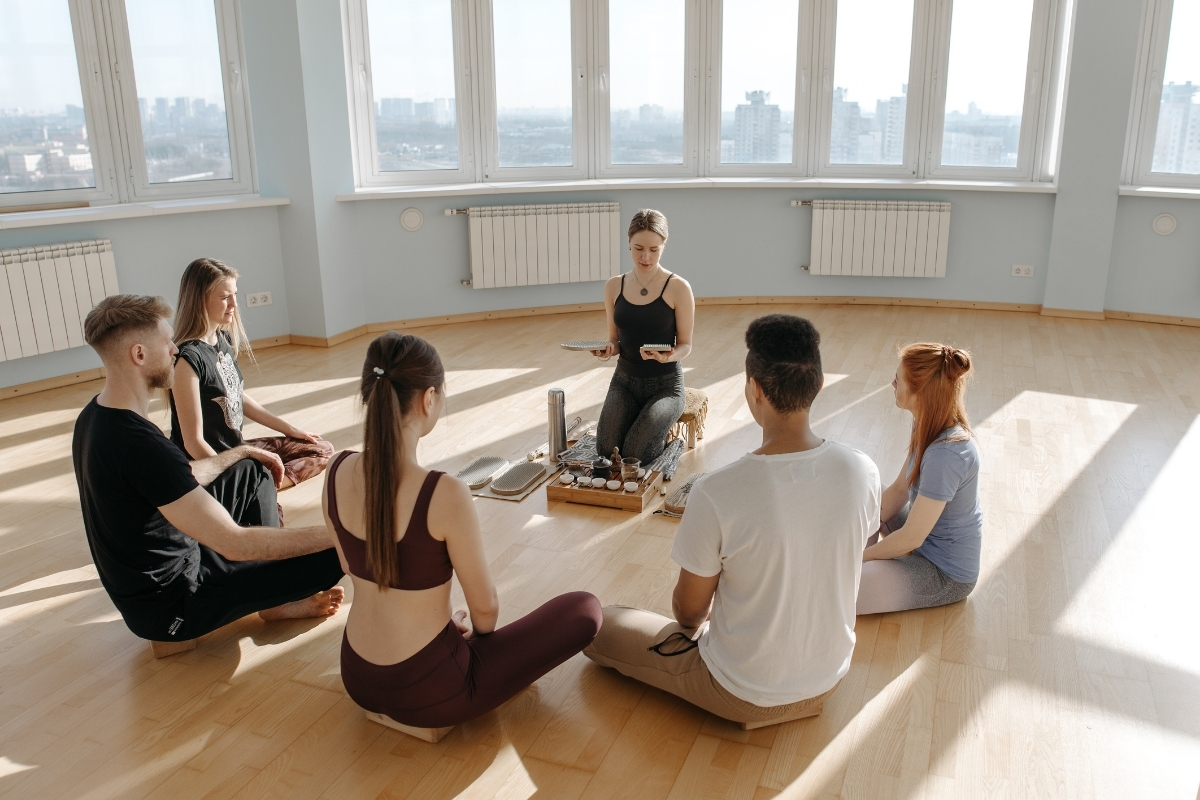
Guided meditation is a practice in which a teacher or recorded voice leads you through a series of steps. You might be invited to focus on your breathing, relax different parts of your body, imagine a peaceful setting or connect with a particular emotion or intention.
Some sessions include music, natural sounds or ambient soundscapes. Others keep the background simple so that the voice remains the main focus.
Guided sessions can last a few minutes or much longer. There is no correct length. The right choice depends on your available time, experience and reason for meditating.
How Does Guided Meditation Work?
The guide gives your attention somewhere to return when your mind wanders. Instead of deciding what to do next, you can listen and follow the instructions at your own pace.
A session may begin with slow breathing before moving into relaxation, body awareness, visualisation or reflection. Pauses give you time to experience each instruction without feeling rushed.
Your mind will still wander, and that is completely normal. The voice simply helps you notice and return.
Different Types of Guided Meditation
Guided meditation is not one single technique. Different sessions are created for different needs and intentions.
Relaxation and Stress
These practices often use slow breathing, body relaxation and calming imagery. They can be helpful when you want to release some of the tension carried through the day.
Sleep
Sleep meditations are designed to help you settle at bedtime. They may include body scanning, gentle storytelling, calming music or reminders to let go of unfinished thoughts.
Mindfulness
Mindfulness sessions guide your attention towards the present moment. You may be encouraged to notice your breath, physical sensations, emotions or surrounding sounds without judgement.
Confidence and Emotional Wellbeing
Some guided meditations use affirmations or reflective prompts to explore confidence, self compassion, gratitude and emotional awareness.
Visualisation and Manifestation
Visualisation practices invite you to imagine a place, experience or future possibility. Manifestation meditations may go further by helping you connect with both the image of what you want and the feeling of already experiencing it.
Potential Benefits of Guided Meditation
People use guided meditation for many reasons. It may help some people:
- Create a regular meditation routine
- Relax and manage everyday stress
- Prepare the mind and body for sleep
- Improve present moment awareness
- Explore thoughts and emotions more gently
- Connect with a goal or personal intention
Research into meditation is more balanced than many online claims suggest. Meditation and mindfulness may help some people manage stress, anxiety, low mood and sleep difficulties, although experiences and research findings vary. The NHS notes that mindfulness is not suitable for everyone, while the National Center for Complementary and Integrative Health advises against using meditation as a replacement for conventional care.
Visualisation, Feeling and Heart and Brain Coherence
Visualisation is often treated as though it is only about creating a mental picture. For many people, the emotional element is equally important.
In 2016, I encountered a technique through a Dr Joe Dispenza video that he describes as heart and brain coherence. I often think of it as heart and mind coherence.
The practice combines a clear intention with the emotional feeling of already having or experiencing the desired outcome. The visualisation gives the mind a direction, while the feeling creates a stronger personal connection to it.
This is not a guarantee that imagining something will make it happen. It can, however, help you become clearer about what you want, how you want to feel and which actions might support that direction.
My Experience With Guided Meditation
In 2020, I wanted to leave the UK, but I had very little money and no clear plan. I found a guided meditation that resonated with me and began using it most days.
During the meditation, I visualised my dream life. I imagined a tropical beach, freedom and being with the woman of my dreams. I had no idea which island it would be or how I would get there. Alongside the images, I used the heart and mind coherence technique to generate the feeling of already living that life.
Four months later, I was experiencing something remarkably similar.
I had found a way to operate my recording studio remotely. I took a short holiday to test the setup, and it worked so well that I did not return to the UK. I eventually found myself in Zanzibar, feeling the same freedom I had practised during those meditations.
I cannot prove that meditation caused the outcome. What it gave me was clarity, emotional connection and the confidence to notice possibilities and act on them.
That experience became the catalyst for Mindful Mantra. I wanted to share the power of meditation through sound and create something that felt engaging, creative and enjoyable.
When I returned to the UK, I did not have the money or resources needed to build an app. I returned to the same meditation, visualisation and feeling techniques that had helped me before. During meditation, I pictured Mindful Mantra as if it already existed. I imagined how it would look, how people would use it and how it would feel to see it working.
This was before artificial intelligence app builders had made development more accessible. Mindful Mantra began as a passion project, built through a combination of visualisation, belief, persistence and practical action.
Guided meditation did not replace the work. It helped me connect with a direction and continue taking practical steps towards it. I still use the same technique today when I want to manifest something.
How to Get More From Guided Meditation
Choose a Voice That Feels Right
The voice and language should help you settle. If you find them distracting, try a different guide or style.
Begin With a Clear Intention
Ask what you need from the session. Your intention might be relaxation, sleep, confidence, focus or visualising a future goal.
Practise Regularly
A short session used consistently may be more useful than a long practice you rarely complete. Find a rhythm that fits naturally into your life.
Include the Feeling
When visualising, notice how the experience would make you feel. Connect with emotions such as freedom, gratitude, confidence, love or peace.
Support Meditation With Action
Let meditation clarify your direction, then take practical steps where you can. Visualisation and action can support each other.
Begin Your Guided Meditation Practice
You do not need previous experience or a completely quiet mind. You only need a few minutes and a willingness to listen.
You can explore guided meditations with Mindful Mantra through the app or streaming platform, whichever you prefer. Choose a practice that reflects what you need today and allow the experience to unfold naturally.